
Water Bowser Dust Control: Effective Dust Suppression on Construction Sites
Airborne dust on construction sites isn’t just a nuisance—it’s a major health and safety concern. Using a water bowser for dust control is one of the most effective, low-cost ways to keep dust levels down. This guide explains how to use water bowsers to manage dust, protect workers, and maintain site compliance.
Why Dust Control Matters
Dust from excavation, demolition, and vehicle movement can harm worker health, damage equipment, and violate environmental regulations. A well-managed dust suppression system—particularly one based on water bowsers—helps keep air clear and your site compliant with safety standards.
How Water Bowsers Suppress Dust
Water bowsers store and distribute large volumes of water across construction areas. By spraying or misting the surface, they increase moisture content in dust particles, causing them to clump and settle. The result: cleaner air and safer working conditions.
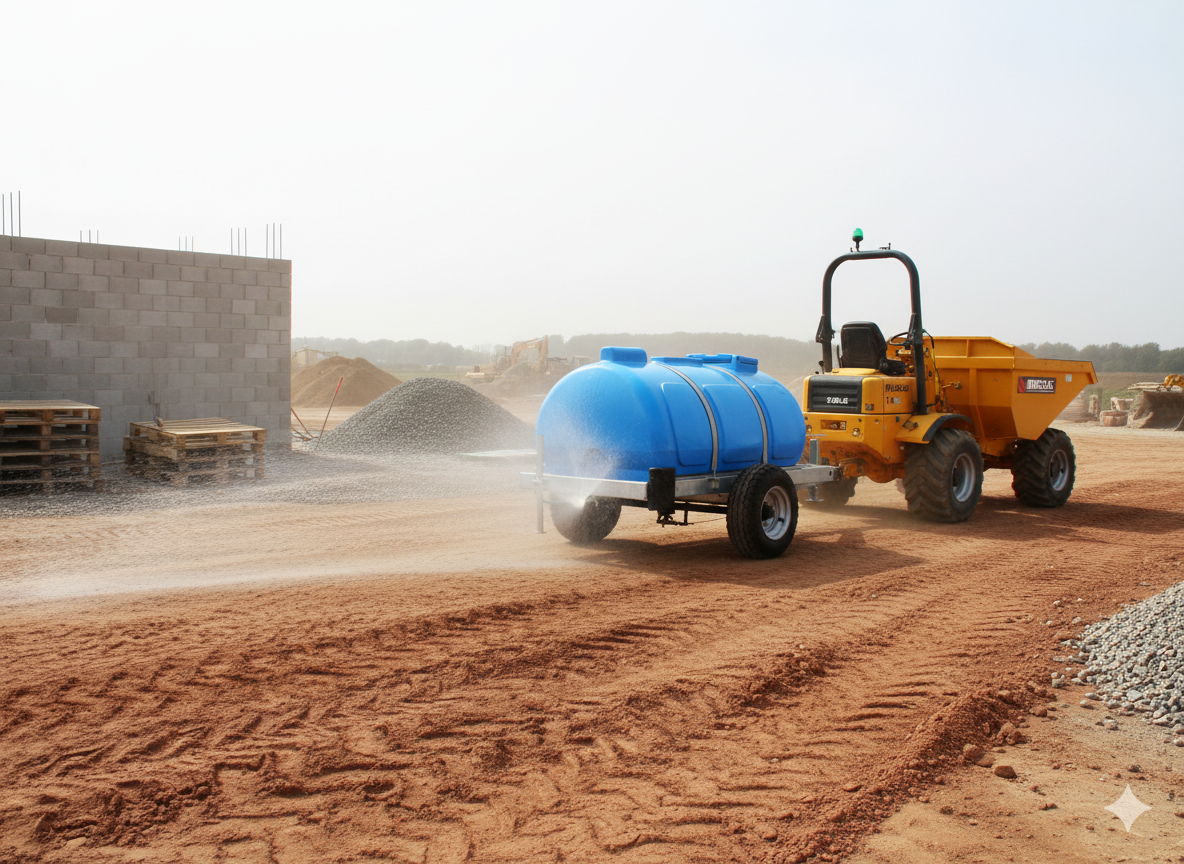
- Mobile coverage: Water bowsers can be moved across large or remote sites where fixed systems aren’t practical.
- Targeted spraying: Direct water to haul roads, excavation zones, and material stockpiles.
- Versatile application: Connect hoses, sprinklers, or misting bars for consistent surface dampening.
- Efficient use: Pair with biodegradable dust suppressants to reduce water consumption and extend effectiveness.
1. Apply Even, Controlled Moisture
Use spray bars or nozzles that provide fine droplets for wide coverage without waterlogging. Regularly inspect distribution lines for clogs or leaks.
2. Schedule Watering by Weather
Increase frequency in hot or windy conditions. Track moisture levels and create a watering log to ensure consistent coverage across shifts.
3. Combine with Other Controls
Stabilise haul roads, cover stockpiles, and limit vehicle speed. A water bowser works best when integrated into a wider construction dust management plan.
Choosing the Right Water Bowser for Your Site.
Selecting the correct bowser capacity and configuration is essential for reliable dust control.
- Site size: Use 500–1100 L bowsers for small areas or pedestrian zones; larger 2000–2700 L models for haul roads or large developments.
- Mobility: Choose between towable, site, or highway-approved water bowsers depending on your project layout and whether you need to go on the public highway.
- Pump type: Opt for high volume, low-pressure units for broad surface wetting and good spray fan coverage.
Browse our range of Highway and Site Water Bowsers
Additional Tips for Effective Dust Management
- Use wet methods for cutting, drilling, or grinding tasks.
- Compact soil after grading to prevent wind erosion.
- Cover truck loads and reduce vehicle speeds on unpaved haul roads.
- Train workers on safe dust-suppression practices, equipment use and correct PPE.
Summary: Keep Your Site Clean and Compliant
Using a water bowser for dust suppression is a proven, sustainable way to maintain air quality and protect workers. When integrated with smart planning and proper training, it delivers long-term compliance and cleaner, safer construction sites.